

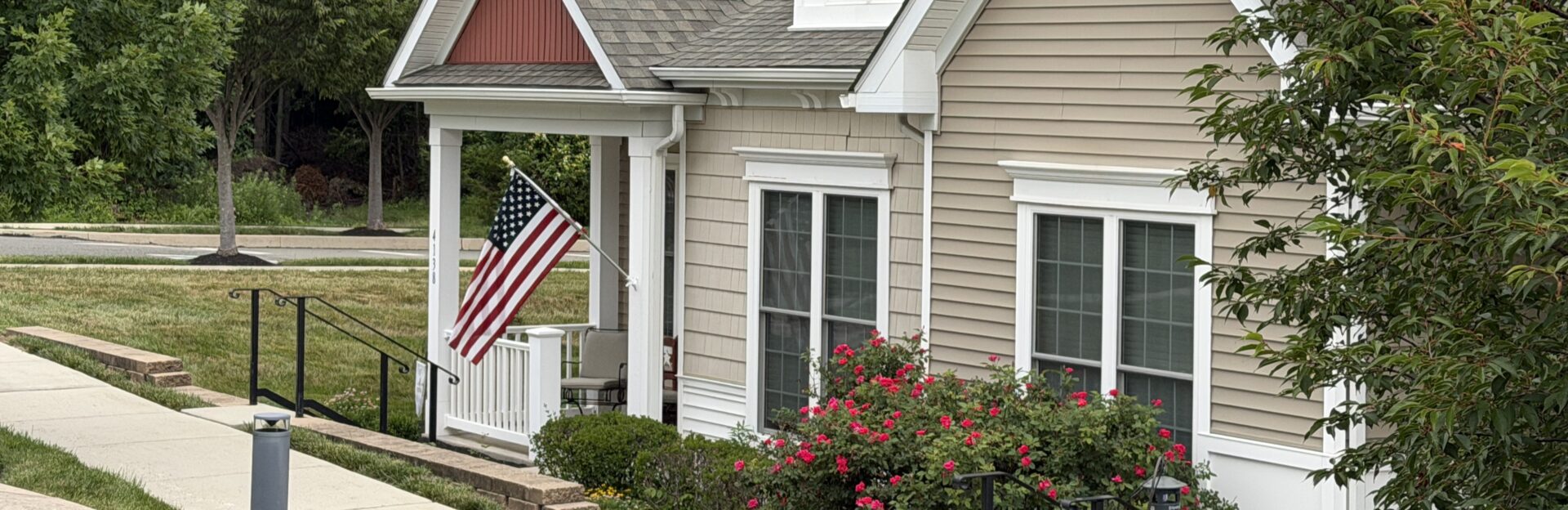
Retirement isn’t a time to step back: it’s the ultimate step forward. For decades, people had a specific picture of retirement: purchase a small, cozy home and enter a long period of rest. Although it’s a peaceful lifestyle that you can embrace on many days, many retirees find it isolating long-term.
Here at Frederick Living, we believe that simplifying and rightsizing your life should never shrink your social circle. If your goal is a next chapter filled with energy, purpose, and vitality, you need a space intentionally built for community interaction.
The right retirement setting has passionate architects and designers who understand how to design homes and community spaces that protect your privacy while also encouraging a daily connection.
In this blog, we’ll explore a fresh approach to retirement housing that makes your social life center stage: the pocket neighborhood. We’ll explore the pro-aging movement, the heart behind the pocket neighborhood, and the characteristics that make these communities special.
Science backs this up. Older adults who age together in close-knit communities have a 91% greater chance of a longer, healthier life than those who are isolated. Daily connection actually benefits health even more than regular exercise.
“We are wired for connection. It’s in our biology. From the time we are born, we need connection to thrive emotionally, physically, spiritually, and intellectually.”
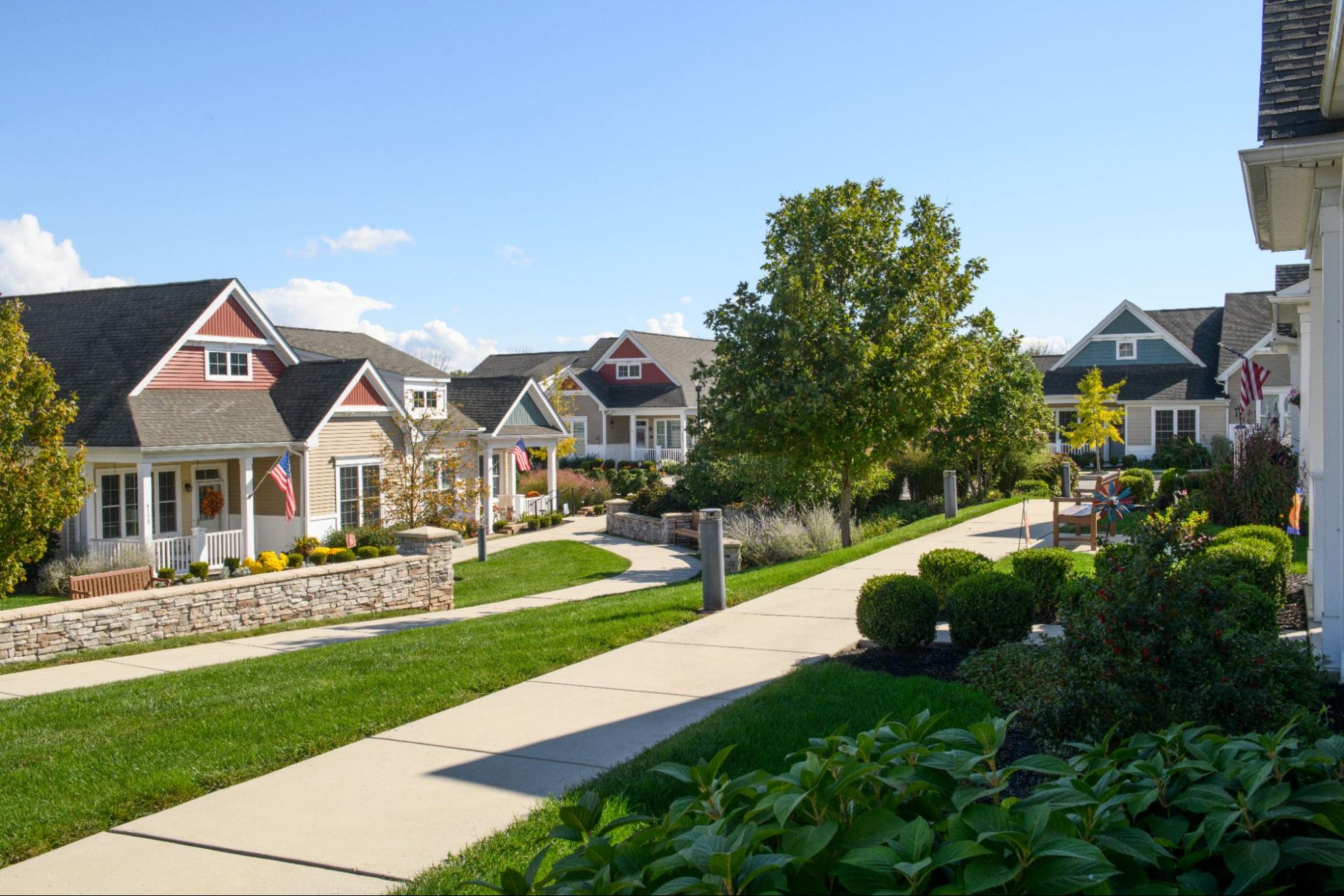
— Dr. Brené BrownSo, what is a pocket community exactly? In a retirement setting, it’s a resident-centered lifestyle designed by architects to encourage intentional community. By grouping a small cluster of homes closely together around a shared common space, these neighborhoods create a dedicated ‘pocket’ where people can enjoy life together.
The concept is one snapshot of the larger picture behind the pro-aging revolution. To sum it up, pro-aging is the belief that words like ‘can’t,’ ‘won’t,’ and ‘shouldn’t’ have no place in the vocabulary of people in their retirement years.
We believe that life shouldn’t become passive when a more open schedule gives you the freedom to enjoy an active lifestyle at your own pace. Whether it’s pursuing a travel adventure, nurturing a hobby, or mentoring the next generation, your unique life experience and interests offer an opportunity to make your next chapter the greatest yet.
The pro-aging movement is built on this exact truth: vitality comes from within and only multiplies when shared in community. When you live around people who value daily connection, you gain opportunities to pour creativity and wisdom into the lives of others.
“There is a fountain of youth: it is your mind, your talents, and the creativity you bring to your life and the lives of people you love.”
— Sophia LorenWhat does community living mean to you?
In 1996, visionary architect Ross Chapin asked this very question when he designed the first contemporary pocket neighborhood on Whidbey Island in Washington. Today, the concept has become a movement: living spaces designed to foster community.
Chapin’s goal was to balance privacy and connection. In a pocket neighborhood, residents don’t need to choose between complete isolation or zero privacy. The socializing process is natural, rather than forced because it’s built into the design.
He compares the concept to a dinner party. In a group of 6 to 8 people, conversation happens naturally. Most larger gatherings need an organizer to coordinate the group. That’s why people can live in a sea of houses, yet feel isolated—people need intentional communal spaces and close proximity to connect.
To make these natural relationships possible, pocket neighborhoods often have seven core features:
A house becomes a home when you fill it with memories and community. At Frederick Living, we believe each person offers a special contribution to our neighborhood spaces. That’s why we designed a dedicated pocket living space for our residents.
In an increasingly fast paced digital-world, the art of slowness is more important than ever. Pocket neighborhoods offer a unique opportunity to stop hurrying and embrace the relationships around us.
“The present is the only point where time touches eternity.”
— C.S. LewisPocket living is more than an architectural style—it’s a state of mind. Here at Frederick Living, we embrace the opportunity to find joy in community every day.
As a continuing care retirement community (CCRC), we offer a diverse campus with the freedom of 55+ independent living and the peace of mind of on-site healthcare services.
The Meadows is our dedicated pocket living sanctuary. These two-bedroom homes share a green space, encouraging tight-knit relationships while offering the privacy of your own home.
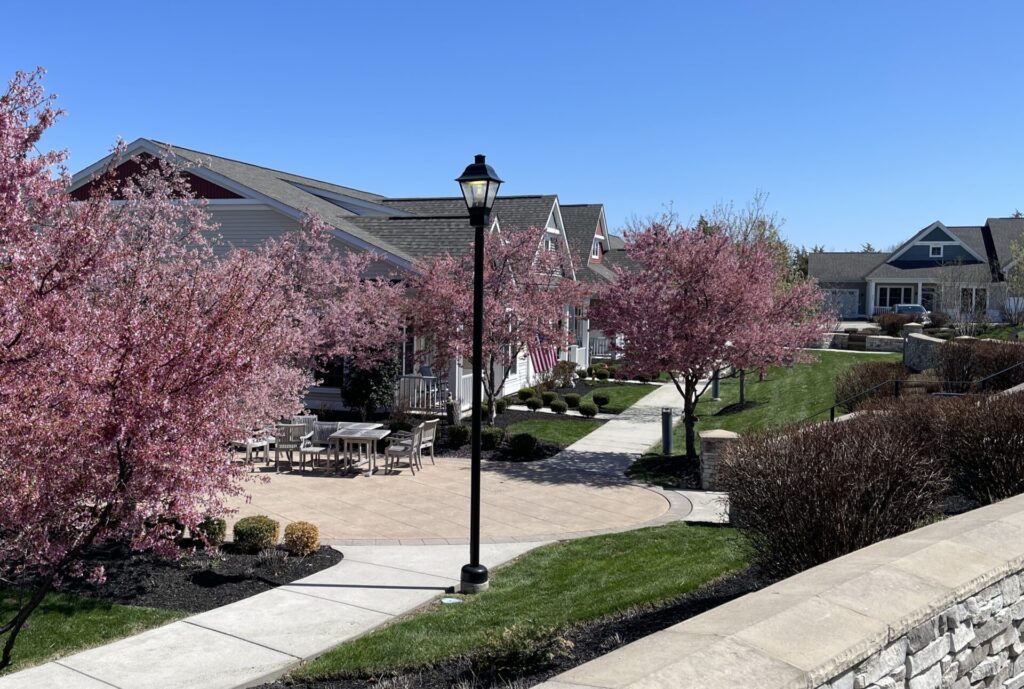
You can enjoy a maintenance-free lifestyle with all the benefits of shared spaces, social and hobby groups, and the freedom of living independently. Whether you want to mini-golf with friends or enjoy a dining experience with your loved ones, Frederick Living has the right amenities for you.
Are you ready to discover the pocket living lifestyle? Reach out to a member of our team to discuss making Frederick Living your home.

Betsy Natter, storyteller, brings a wealth of marketing and storytelling experience to Frederick Living’s community.