

Written by Juanita Fox, director of media experiences and storytelling
As you or a loved one walk into the next stage of your healthcare journey, piles of paperwork and endless options for continuing care can seem overwhelming.
One of the most common questions focuses on personal care vs. assisted living—what’s the difference and why does the state of Pennsylvania make a special distinction?
Thankfully, it’s not as complex as it might first seem as long as you understand the fundamentals. Here at Frederick Living, we’ve spent more than a century connecting residents and their families through personal care at Magnolia House.
Our vision is to help every resident find joy and fulfillment in each chapter of their story. That’s why we’ve created this quickstart guide to help you decipher these common terms and focus on supporting the people you love most as they pursue holistic wellness.
Personal Care and Assisted Living are both legal classifications of the level of care provided in a healthcare community setting. Diving into the definitions and taking a look at how they’re different can help you to understand what’s the best choice for yourself or your loved one.
Personal care is a helping hand for retirees. In Pennsylvania, a personal care home provides safe housing, regular meals and assistance with medications and personal care tasks.
At this stage of care, the retiree receives consistent support rather than constant medical supervision. The level of services available depends on the resident, but often includes assistance with activities of daily living (ADLs) like bathing, dressing or going to the bathroom.
Communities like Frederick Living also offer retirement amenities with everything from on-site social events to dining, banking and maintenance services.
Assisted living can seem similar to personal care, but there are important distinctions.
This service also helps people without providing intensive medical support. The main difference is that the level of care available in an assisted living community can be higher than a personal care setting—if the resident’s healthcare needs increase, they will not need to relocate to receive more care.
The main divide between personal care and assisted living in Pennsylvania is based on laws and regulations overseen by the Department of Human Services. The Commonwealth of Pennsylvania Office of Long-Term Living is the branch of Human Services that specifically regulates the licenses of communities with these services.
While assisted living is the generic term you’ll find online, Pennsylvania makes a legal and regulatory distinction between Assisted Living and Personal Care (PCH). Under state law, a PCH is defined as a residential setting that provides essential services like food, shelter and personal assistance for adults.
In 2011, the Assisted Living Resident (ALR) license was added to bridge the gap between Personal Care and Skilled Nursing—it’s a compromise between the independence of Personal Care and the intensive level of care provided by Skilled Nursing.
More specifically, there are three main factors that explain how regulations separate a PCH and ALR:
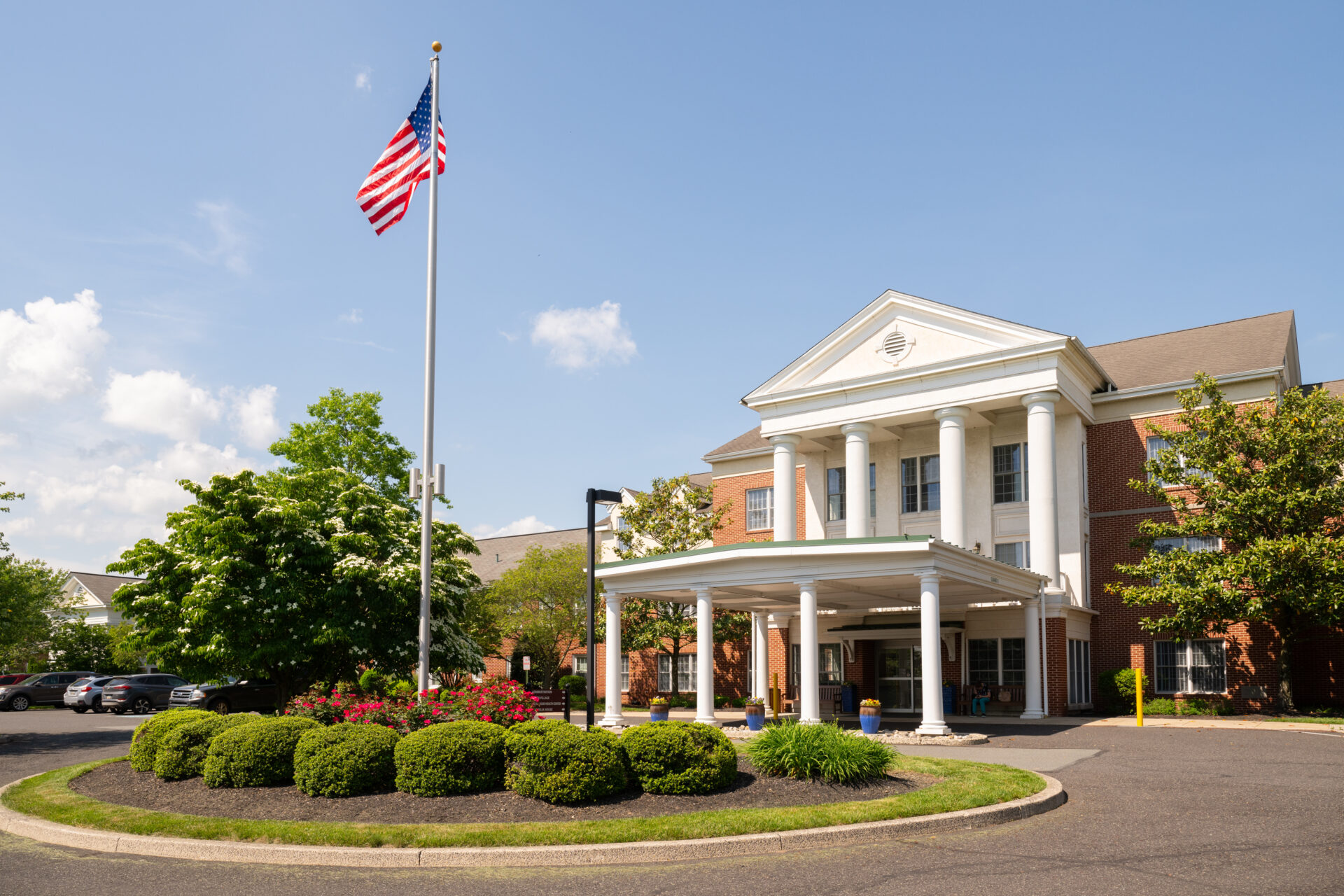
In the case of Frederick Living, we have the best of both worlds with a personal care option within a CCRC model. If someone requires intensive care after staying in the personal care program, we can simply transfer them to Cedarwood Health Center, our Skilled Nursing community on the premises.
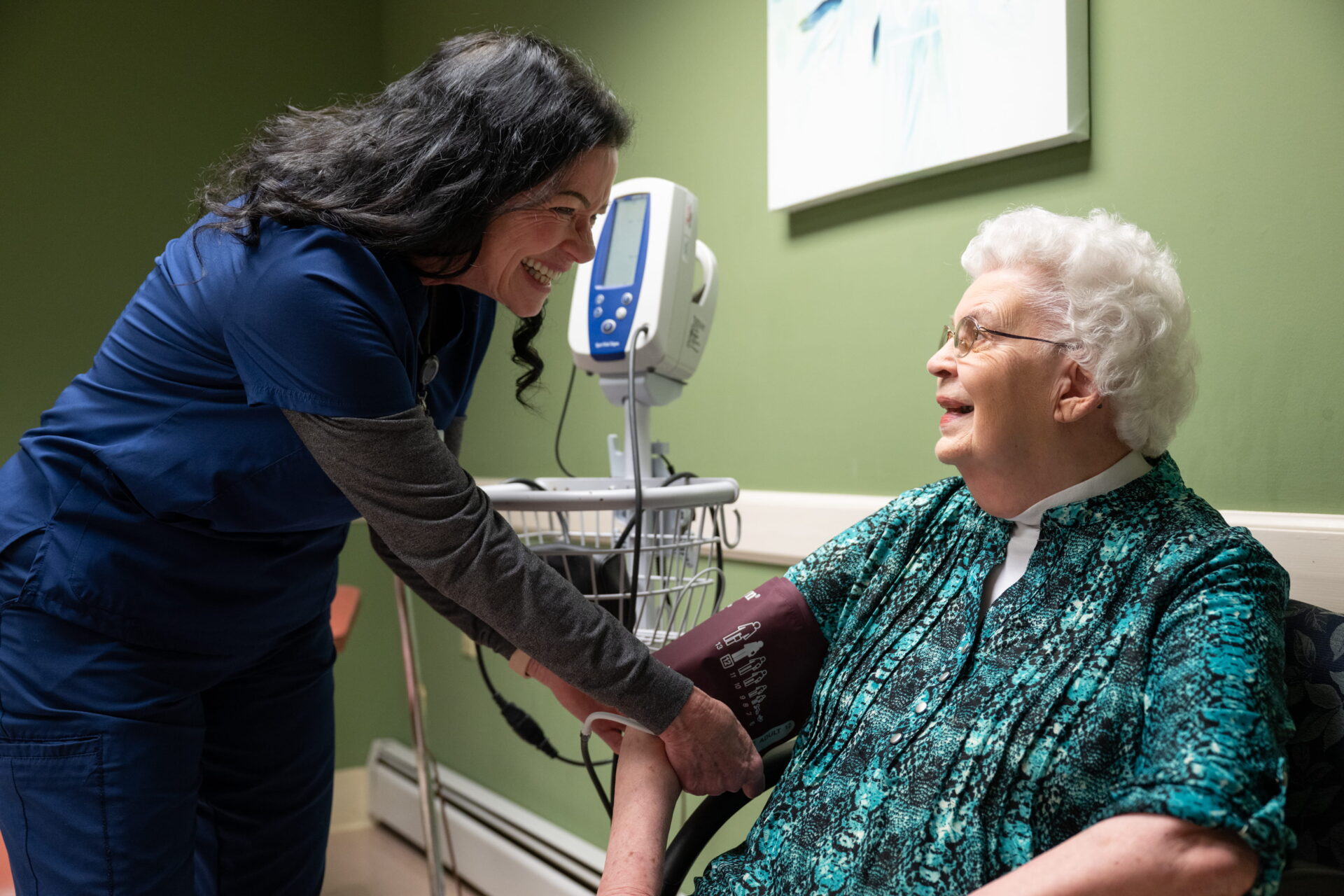
All of us need a helping hand from time to time. Communities like Frederick Living provide trained caretakers to support residents with daily living needs 24/7. It’s a unique balance between independence and assistance.
There are several specific benefits to choosing a PCH for yourself or a loved one:
Through every season of life, the Frederick Living team is ready and able to help. We’re a non-profit organization focused on touching the lives of families and every resident who chooses to become a part of our tapestry of friends.
Want to explore how to plan for a move to personal care? Read our introduction to preparing for personal care to get started.
Transitioning to personal care is a journey—it’s an opportunity to have peace of mind with assistance available, but also a significant change in lifestyle.
For more than 130 years, Frederick Living has been helping retirees and their families walk through these changes together.
In 2026, we received national recognition as a best senior living community across all our levels of care by the U.S. News & World Report.
If you’re considering a move to personal care for yourself or a loved one, we’d love to connect and discuss your options.


Juanita Fox, director of media experiences and storytelling for Frederick Living, brings a wealth of marketing and storytelling experience to the community’s team.