



Written by Juanita Fox, director of media experiences and storytelling
Every journey begins with a first step. Maybe you or a loved one is ready for a vibrant independent lifestyle, wants the comfort of personal care available or needs to pursue wellness with onsite nursing care.
Whatever your retirement story, one of the foundational steps is moving. And with moving comes the need to tidy, organize and, often, decide what you’d like to keep of your personal belongings and what you’d like to give away.
Frederick Living has a tight-knit team that’s been helping families take action toward the future for nearly 130 years.
Rightsizing is a growing trend across America, helping people trade surplus belongings for a more joyful, free lifestyle.
This blog is an introductory guide to the trend of rightsizing your home before a move with 5 key steps you can take to make the process rewarding and efficient.
Marie Kondo The Life-Changing Magic of Tidying Up
The space in which we live should be for the person we are becoming now, not for the person we were in the past.
Rightsizing is the gentle act of curating your belongings to keep only what brings you joy.
It’s the art of letting go and giving your mind permission to breathe—holding on to what you truly need and want.
Downsizing is similar, but it’s only one step—it’s the physical process of decluttering before moving to a smaller home.
The difference is a powerful mindset shift. Downsizing is simply the process of discarding clutter.
Rightsizing is taking inventory of what you have and what you cherish most, then editing everything else. You might actually get new items that better fit your lifestyle changes as you discard the excess.
According to the Center for Retirement Research, holding onto an oversized home can drain your finances through surprise costs and hidden upkeep because of realities like property taxes, homeowners insurance, utilities and general maintenance.
Rightsizing to community living means trading those unpredictable, hidden expenses for predictable, maintenance-free living.
Yet, as a landmark Merrill Lynch study found, the real return on investment isn’t the money—it’s the freedom. When retirees trade a sprawling suburban home for a decluttered space that focuses on their interests and hobbies, they have less to maintain and more to enjoy.
And the right community will offer retirement amenities like property maintenance and entertainment that reduce many of the stresses of everyday life.
Every person collects belongings and clutter for a variety of reasons with both pros and cons.
Building memories and traditions around your most precious personal belongings is a strong way to remain close to those you love.
Meanwhile, collecting and storing things you might need someday but have never used can change valuable purchases into clutter.
There are several reasons people often accumulate stuff:
Be kind to yourself—take time to process through your belongings with a master list in categories.
Categorize your items into lists by sentimental value, prepping value, current value and clutter. Then, choose how much of each category you want to keep—except for clutter.
Sometimes it’s easy to talk about categorizing your items, but difficult to actually know what to label as clutter.
Start by visualizing the new space where you’re moving.
Imagine walking through your ideal day and a chore day, then ask yourself these questions:
Once you create a vision for making your life more convenient, stay true to your plan and prioritize what you want to discard.
The next step is to build a written step-by-step organization plan. Whether you want to draw on a white board, grab a paper and pen or type on a laptop, it’s your process to own.
Gather all of your items by category:
Once you’ve taken the items out of the rooms and gathered each category in a single space, stuff you haven’t used in awhile or any duplicates will become obvious.
You never have to walk through this process alone. Rightsizing can feel physically and emotionally tiring for some people, rejuvenating for others, or both at different parts of the process.
Your family and friends have an outside perspective on what you do and don’t need. This support network can also help you to discard items and sort through categories.
If you think that professional assistance could help ease the process, there are local services that will work with you one-on-one. They have experts who can help you sort and organize, donate or trash excess belongings and move your belongings to your new home.
Your current home isn’t just a collection of rooms. It’s a place where memories and relationships have grown and flourished. Before you leave on moving day, take a moment to genuinely thank the space for doing its job so well.
It’s this specific act of appreciation—the deliberate closing of a chapter—that unlocks the joy to celebrate what comes next.

Starting the next season of your life can feel overwhelming—but it doesn’t need to be hard. With the right support network, you and your loved ones can thrive and enjoy the benefits of rightsizing.
The Frederick Living team is here to help every step of the way. For more than 100 years, we’ve joined hands with families like yours to support you through the transition.
We’re here to guide you through all of the processes and procedures so you can feel comfortable with each step.
Are you considering a move to improve your quality of life? We’d love to connect with you and introduce you to all of the options here at Frederick Living.
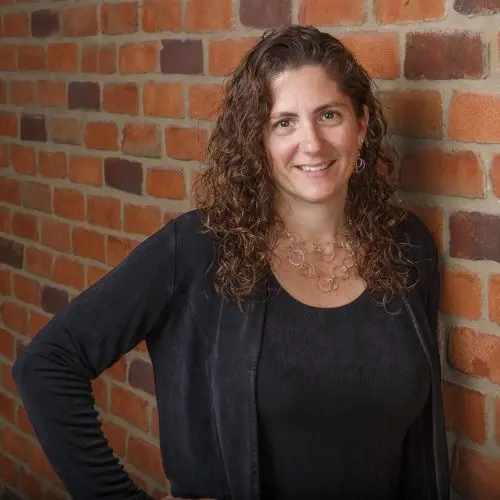
Juanita Fox, director of media experiences and storytelling for Frederick Living, brings a wealth of marketing and storytelling experience to the community’s team.