

Personal Care in Retirement Communities
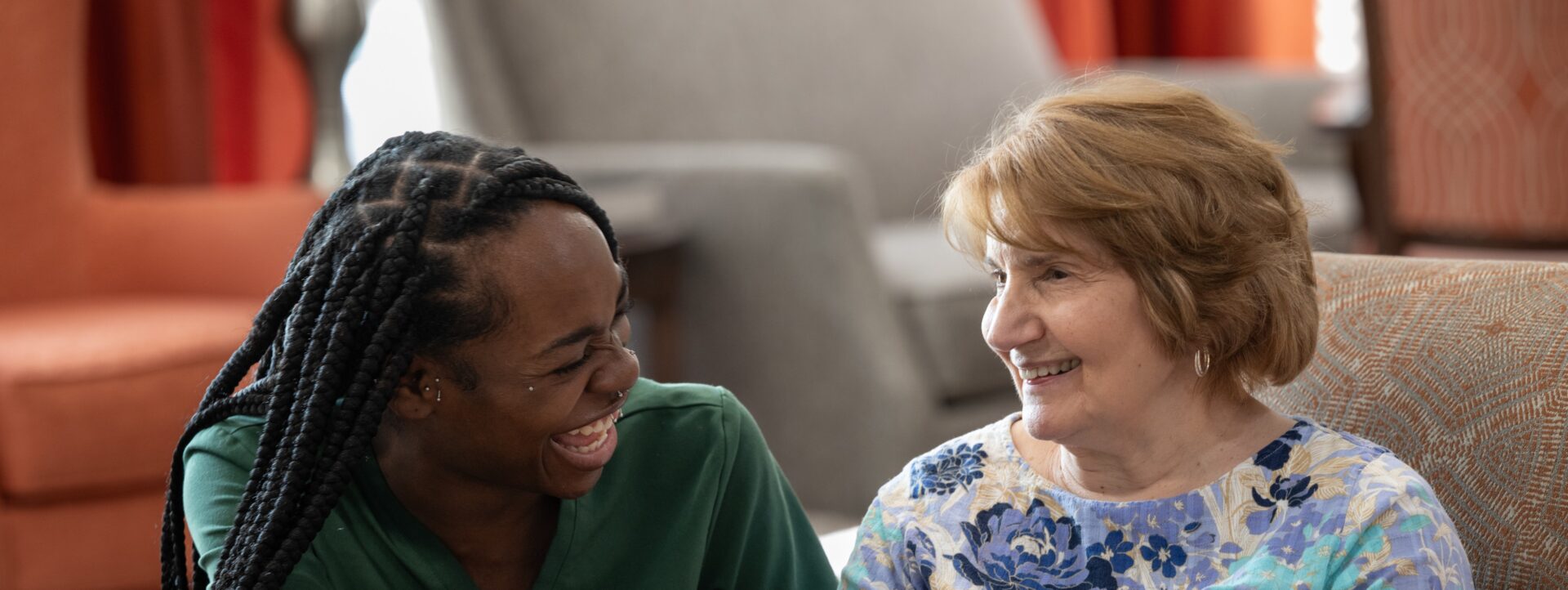
Moving to a personal care residence is a life-changing decision that requires careful consideration. While everyone desires to maintain independence, over time, changes in health and well-being may indicate the need for some assistance. A personal care community offers residents assistance based on their needs, including hygiene care and medication management, while they still live in a private apartment maintaining relative independence.
The decision to move to personal care, however, often requires a mind-set shift. Many retired adults are very settled in their homes where they have raised their families and lived for decades. The thinking is, “it’s just not time yet.” Still, the aging process is inevitable, and health concerns often crop up suddenly and unannounced. By realistically evaluating your healthcare needs and living situation before a crisis hits, you can maintain greater control over the next chapter of your life.
Signs That You or Your Loved One Should Consider Personal Care
Sometimes it is difficult to admit to ourselves or a loved one that physical changes are taking place within us. No one wants to “get old.” However, ignoring these changes could lead to increased medical issues or a decrease in your overall quality of life over time. Instead, remove the burden of having to do everything on your own by accepting assistance from a caring professional. You’ll discover new freedom to enjoy time with friends and family or explore personal interests.
Here are some signs to help you decide when it’s time for you or a loved one to benefit from personal care assistance:
If you notice these changes, choose a living community environment where others offer support in various ways. We provide medication administration, assist with personal hygiene, and do the cooking and cleaning! We also arrange community wide activities to encourage social interaction.
Waiting Too Long
Because “home” is a fixed place in many people’s minds, the decision to move to a retirement community is often delayed—sometimes until it is almost too late to enjoy the benefits that come with retirement living.
According to Megan Grebe, Healthcare Admissions Coordinator at Frederick Living, “One of the most frequent comments we hear from residents is, ‘I wished I’d moved sooner…I really waited too long.’ They realize that community living has so much to offer and the added assistance from care professionals eases their daily burden greatly.”
She also says, “Unfortunately, those crisis moments do happen—there is a fall, or a sudden health issue comes up, and then an individual requires skilled nursing care. While we can’t prevent every situation, our nursing and care team monitors residents daily to help them maintain independence and well-being and works to catch health concerns before they escalate.”
Maintaining Independence & Well-being
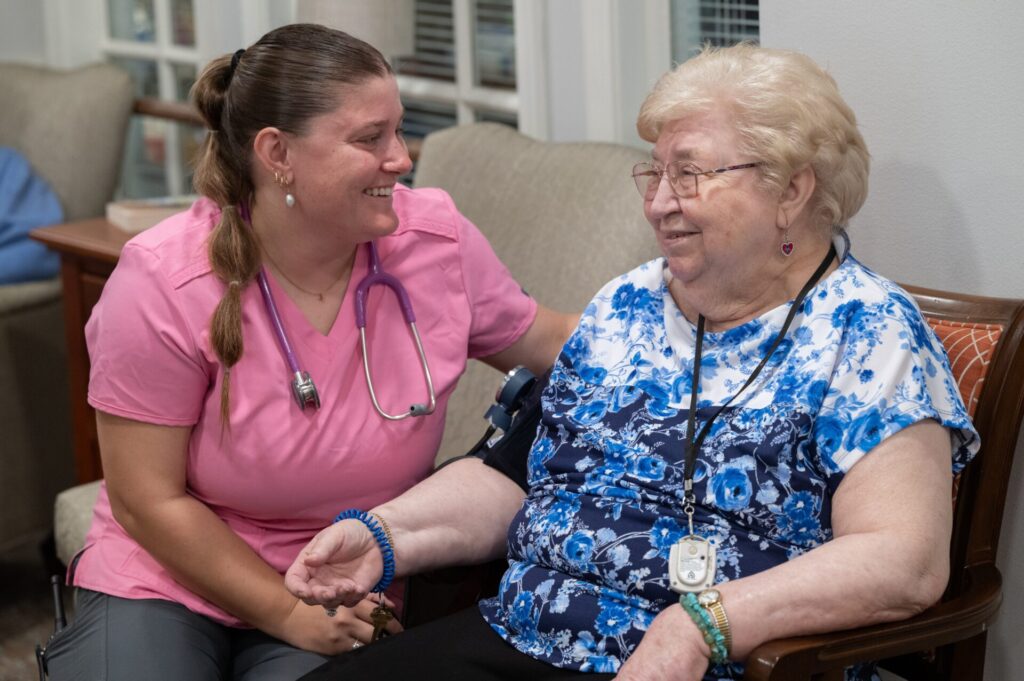
One of the benefits of personal care in a continuing care retirement community is your access to a care team that monitors and meets your daily needs. Certified nursing assistants, med techs, LPNs, RNs and a social worker all work together to make sure you can live the most independent life possible.
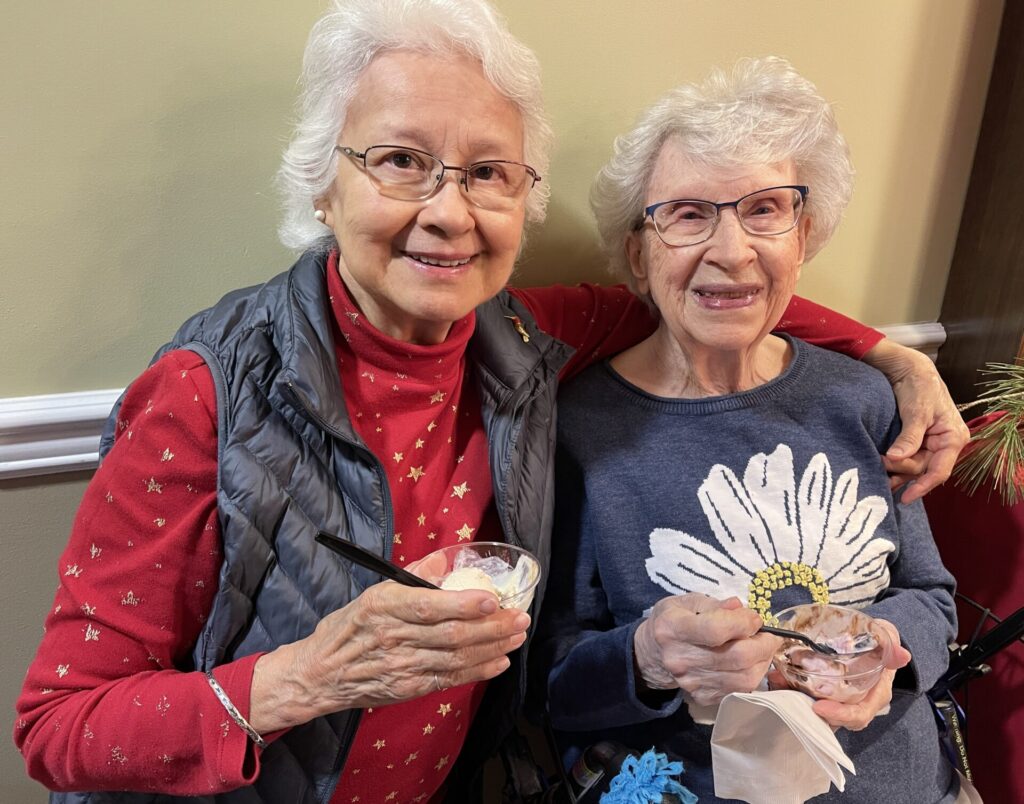
Additionally, vibrant programming provides opportunities to stay mentally and socially engaged. When living on their own, many older adults can experience feelings of isolation and loneliness, which can affect their well-being as much as their physical health. In contrast, personal care residences offer hobbies, clubs, special events, celebrations and other recreational opportunities to encourage social interaction. Life in community empowers you or your loved one to lead a purposeful and fulfilling life.
At Frederick Living, we provide many opportunities for self-development such as learning a new hobby, volunteering, crafting, baking, attending movies or concerts, shopping, or attending a weekly Bible study or Sunday services.
Considerations for Couples
A key consideration for couples is timing your move together to maximize the quality of your time together and potentially save money in the long-term.
For many couples, one spouse has greater healthcare needs, which can impact a retirement move in several ways. Family members and the caregiving spouse work hard to maintain order to daily life, but at some point they may begin to get “caregiver burnout.” When professionals share the responsibility of caregiving, family members can spend more quality time with their loved ones, allowing for more purposeful interactions and reducing stress.
If at some point one spouse should require a move to a higher level of care, couples can easily spend time together if they are already located on campus. Driving or transportation is not a concern and dining areas are open to all levels of care so it is easy to enjoy meals together.
Safety and Security
Retirement communities are intentionally designed to promote well-being with features such as secure entrances, emergency call systems and 24/7 staff availability to respond to requests and emergencies. Hallways and rooms, including bathrooms and showers, are ADA-accessible and include handrails and grab bars to protect against accidents and injuries. Public areas are well lit so that you or your loved one can move around the community freely while enjoying a friendly and peaceful atmosphere.
Easy Access to Healthcare
Another benefit of personal care within a continuing care community is the easy access to healthcare services. The on-site Wellness Suite provides a wide range of services including:
While it may be a big decision to move to personal care in a retirement community, the benefits are many. Free yourself for purposeful living by accepting a bit of assistance from a professional caregiver and get ready to experience a fuller, more enriched way of living.

Betsy Natter, Storyteller at Frederick Living brings a wealth of marketing and storytelling experience to Frederick Living’s community.